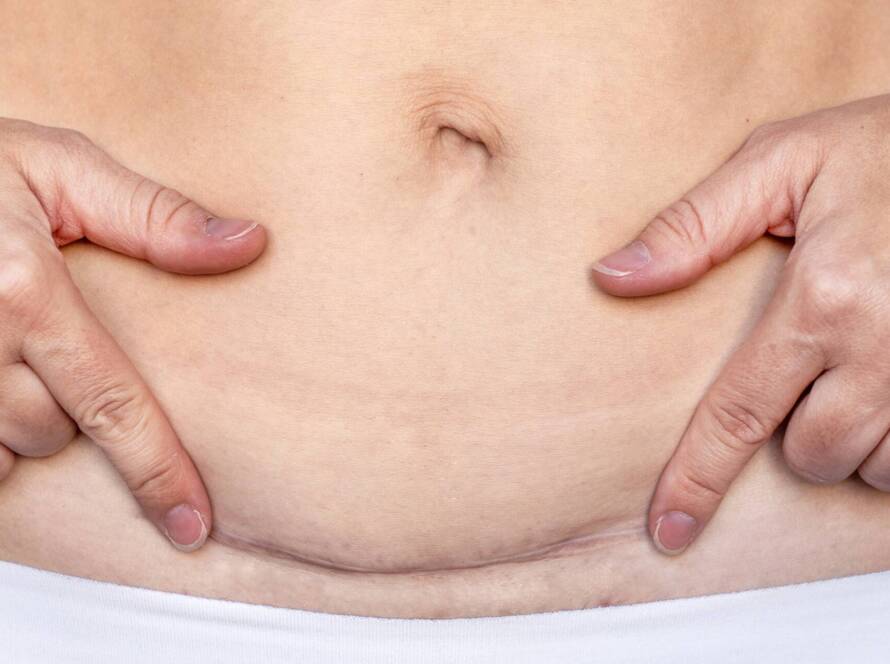
Ink That Hides Instead of Shows: Scar Camouflage Explained
Most tattoos are made to be noticed. This kind is made so that nobody notices it at all. Paramedical tattooing uses skin-toned pigment to blend away the look of scars and other marks, so the area sits quietly in the background of your skin instead of pulling the eye. It is part art, part patience, and it often means a lot more to the people who choose it than a typical beauty treatment ever would.
Three People, One Shared Wish
Many people first type what is paramedical tattooing into a search bar after a moment of quiet frustration, so it helps to picture who actually walks in. Imagine a woman whose surgical scar peeks out of her neckline every summer. Imagine a man with a pale patch on his arm that he has covered with long sleeves for years. Imagine someone who has finished a long recovery and wants the last visible reminder to fade.
Their stories are different, but the wish is the same: to feel at ease in their own skin again. That feeling, more than the pigment itself, is what the work is really about.
Where the Work Shows Up
The technique reaches well beyond one kind of mark. Because it focuses on restoring a natural look, it supports many situations where color has changed or been lost.
Common places it is used:
- Surgical scars, from small incisions to larger ones
- Stretch marks that have faded to a pale shade
- Burn and injury scars once the skin has healed
- Patches of lost pigment, such as those seen in vitiligo
- Color restoration after reconstructive surgery
- Sparse areas where brow or hairline color has thinned
Not Your Usual Tattoo
A decorative tattoo wants contrast. This work wants the opposite. Instead of a bold color, the artist mixes shades that match the skin around the mark, and often builds them slowly so nothing looks painted on. A paramedical tattoo also treats the skin more carefully, since scarred or sensitive areas heal differently from untouched skin and respond better to a lighter touch.
That changes the pace of everything. Appointments are slower and quieter, color checks happen often, and a finished result might arrive over more than one visit.
What Sets a Skilled Artist Apart
The field is sometimes called medical micropigmentation, a name that hints at how precise the work needs to be. It takes more than a steady hand. Good artists share a few habits that are easy to spot once you know them.
What to notice:
- They listen to your story before reaching for any tool
- They test pigment shades in natural light, not only under a lamp
- They explain what the work can and cannot do, without overpromising
- They ask about your health history and healing patterns
- They show healed examples, including ones that needed adjustments
Setting Honest Expectations
Camouflage softens how a mark looks, but it does not erase it. Texture, raised edges and dips stay as they are, because the work only changes color. Color can also shift slightly as skin heals, and sun exposure will lighten the tint over time, so a refresh now and then is normal.
It helps to see success as a big step toward blending in, not a magic switch. Most people who go in with realistic hopes come away delighted, since the mark that used to grab their attention becomes something they rarely think about.
Finding the Right Fit in New York
The city has plenty of artists, which is both helpful and confusing. For paramedical tattooing NYC clients should treat the first consultation as a conversation, not a commitment. A good studio welcomes questions, looks at your skin in person and never rushes you into a date.
Questions worth bringing along:
- How many visits do you usually plan for a mark like mine?
- Can I see healed results on similar skin tones?
- Should I get a note from my doctor first?
- What does the healing period look like for this area?
- How will the color be maintained in the years ahead?
A Quieter Way to Feel Like Yourself
You do not have to hide a mark forever, and you do not have to rush into a decision either. If you would like to understand what could be possible for your skin, Visage New York Studio offers a patient, private consultation where your questions lead the conversation.
Frequently Asked Questions
What is paramedical tattooing?
It is a form of tattooing that uses skin-matched pigment to soften scars, marks and areas of lost color. The goal is blending, not decoration.
How does paramedical tattooing work?
Fine needles place tiny amounts of matched pigment into the top layers of skin. The color is built up in light layers, often over more than one visit.
What is medical micropigmentation?
It is another name for paramedical tattooing. The term is often used when the work supports a medical or reconstructive need.
What is scar camouflage tattooing?
It is paramedical tattooing aimed at a scar. The pigment is chosen to match the surrounding skin so the scar draws less attention.
How does scar camouflage work?
The artist blends a pigment to match your skin and places it into the scar in careful layers. The contrast softens, though the texture stays the same.