Scars Tell a Story. You Decide How Loud It Is
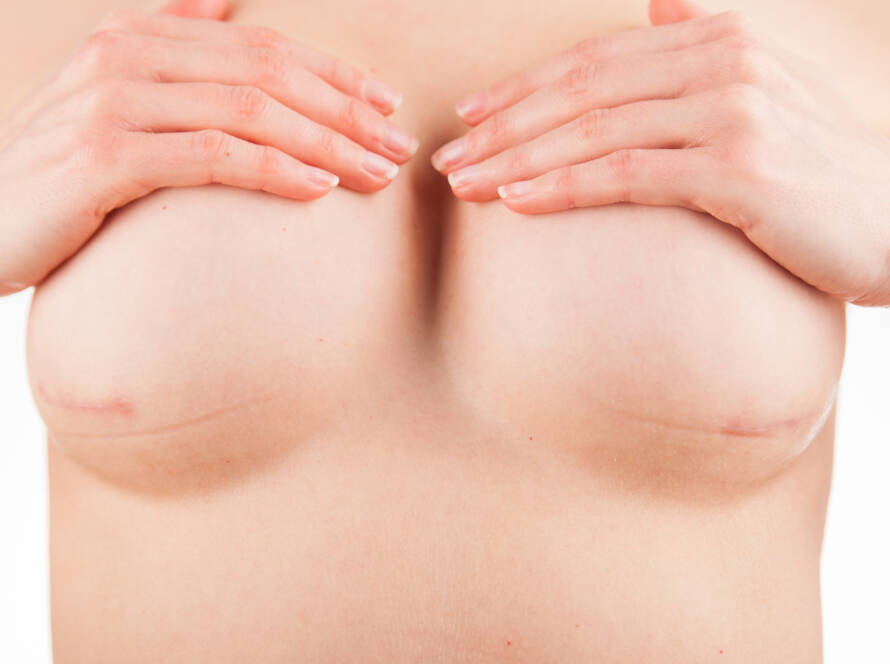
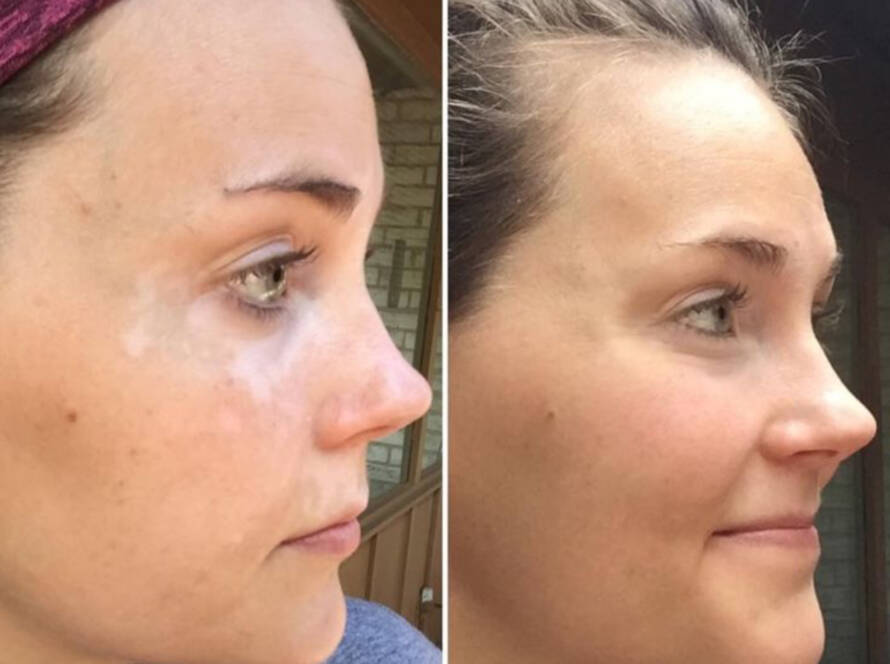
Most scars have a story behind them, and plenty of people are proud of theirs. Others would simply like it to stop catching the eye in photos, at the beach, or in the mirror. If that sounds like you, searching for a scar camouflage tattoo NYC can feel overwhelming at first. The good news is that the idea is simple: skin-toned pigment is placed into the scar so it blends back into the skin around it and draws far less attention.
What It Can Do, and What It Cannot
Camouflage works on color, not on shape. It can make a pale or discolored mark look much closer to the surrounding skin, but it cannot make the skin smoother or fill in a dip. Knowing this from the start keeps expectations realistic and the results satisfying.
Here is the honest picture:
- It can: Soften the contrast of white, flat, healed scars so they fade into the background
- It can: Help with surgical marks, stretch marks and old injury scars
- It cannot: Remove a scar completely
- It cannot: Change the texture, raise a sunken area or flatten a raised one
- It cannot: Promise one single appointment will do the job
Why Matching Skin Color Is an Art
Skin is never just one color. It has warm spots, cool spots, pink undertones and shifts from one area of the body to another, and a scar sits in the middle of all that. The work of blending pigment into it is called paramedical tattooing, and it is closer to color mixing than to traditional tattooing. A skilled artist blends several shades by hand until the match looks right in daylight, not only under studio lights.
That is why two scars on the same person can need two different mixes. It is also why the artist spends more time looking and testing than inking.
What Happens in the Room
The process is calm and unhurried. Most people are surprised by how much of the visit is conversation and careful color checking.
A typical visit follows these steps:
- You and your artist look at the scar in natural light and talk about what bothers you most.
- A few pigment shades are mixed and held against your skin.
- A tiny test spot often shows how the color will settle before the full work begins.
- Pigment is added in light, patient layers, building slowly rather than all at once.
- You leave with clear care instructions and a plan for the next visit.
The Healing Story
Healing happens in stages, and the early weeks can test your patience. The treated area may look slightly darker or redder at first, then flake lightly before the color softens. Around the third and fourth week, it can look patchy or too pale, which is normal and is exactly why a second visit is usually planned.
Understanding scar camouflage healing takes the worry out of this stage. Most artists book a follow-up several weeks later to adjust the color and fill any lighter spots. The final shade often appears only after the skin has fully settled, so the best advice is to judge the result at the end, not in the middle.
Life After: Keeping the Result Looking Good
Once healed, the color stays in the skin for a long time, though it will lighten slowly. A few habits help it age gracefully.
Things that protect your results:
- Sunscreen over the area, since sun is the biggest cause of fading
- Gentle skincare, with strong acids and scrubs kept away from the spot
- A touch-up when you notice the color softening, often after a year or more
- Patience if your body tone changes with seasons, as a small adjustment can fix it
More Than a Cosmetic Change
For many people, the scar is a reminder of something they would rather leave behind: an accident, a surgery, a hard year. Interest in scar camouflage NYC often begins with a quiet moment, like choosing a sleeveless top or a swimsuit and hesitating. When the mark fades into the skin, that hesitation tends to fade with it.
A good artist understands this and treats each appointment with care, privacy and zero judgment. You never have to explain your story unless you want to.
A Gentler Way Forward
Your scar does not have to define how you feel in your own skin. With the right artist, realistic expectations and a little patience, it can become a detail you barely notice. If you are ready to talk it through, Visage New York Studio offers a private, pressure-free consultation where your questions come first.
Frequently Asked Questions
Who is a good candidate for scar camouflage?
Someone with a fully healed, flat, pale scar that is usually at least a year old. Your doctor should agree the skin has settled.
Who should not get scar camouflage?
Anyone with an active, red, raised or infected scar, or a skin condition in the area. If you are pregnant or unsure, wait and ask your doctor.
Do you need medical clearance before scar camouflage?
Not always, but a doctor’s okay is wise for surgical scars, ongoing medication or health conditions. Your artist will ask health questions first.
How do you choose a scar camouflage artist in NYC?
Check that they are licensed and offer an in-person consultation to view your scar. A clean, calm studio and honest answers are good signs.
What should you look for in a paramedical tattoo artist?
Ask about specific training and look at healed results on scars like yours. Strong color matching and a gentle, patient approach matter most.